
Dog Years vs Cat Years: The Math That Confuses Every Pet Owner

Dog Years vs Cat Years: The Math That Confuses Every Pet Owner
If you’ve ever heard someone say “one human year equals seven dog years” and just accepted it… you’re not alone.
But here’s the truth:
That math is very wrong, very outdated, and very confusing—especially when you throw cats into the mix.
So let’s clear it up once and for all (without making your brain hurt).
The Myth: 1 Human Year = 7 Dog Years 🧮
This rule has been passed around for decades like a family recipe no one remembers testing.
It kind of came from:
Humans living ~70 years
Dogs living ~10 years
70 ÷ 10 = 7
Boom. Math. Science. Apparently.
The problem?
Dogs (and cats) age fast at first, then slow down, and different breeds age differently.
How Dogs Actually Age (The Real Formula)
Dogs don’t age in a straight line—they age in bursts.
Dog Aging Breakdown (General Guide)
1 year old dog ≈ 15 human years
2 years old ≈ 24 human years
Every year after that ≈ 4–5 human years
So a 5-year-old dog isn’t 35 in human years…
They’re closer to 36–39, depending on breed.
Breed Size Matters (A Lot)
This is where it gets tricky 👇
Small dogs (Chihuahua, Yorkie): age slower after year two
Large dogs (Labs, Shepherds): age faster
Giant breeds (Great Danes): basically speed-running life
Example:
A 7-year-old Chihuahua = middle-aged adult
A 7-year-old Great Dane = senior citizen asking for early dinner
What About Cats? Because Yes, They’re Different 😼
Cats said, “We’ll do our own thing.”
Cat Aging Formula (Simplified)
1 year old cat ≈ 15 human years
2 years old ≈ 24 human years
Every year after ≈ 4 human years
So your 10-year-old cat?
That’s basically a 56-year-old human with strong opinions and zero patience.
Indoor cats also tend to age slower than outdoor cats because:
Less stress
Fewer injuries
Fewer… questionable life choices
Dog Years vs Cat Years: Quick Comparison Table
(Yes, your pet is older than you think. Sorry.)
Why Pet Age Actually Matters (Not Just Trivia)
Knowing your pet’s “real” age helps with:
Nutrition choices
Joint and mobility support
Vet screenings
Energy expectations (aka: why your dog naps all day)
A dog acting “lazy” at 8 years old?
That’s not laziness—that’s middle age.
Signs Your Pet Is Entering Their “Senior Era”
Dogs:
Slower to get up
Stiff joints
More naps, fewer zoomies
Cats:
Less jumping
Weight changes
Increased vocalizing at 3 a.m. (classic)
This is where age-appropriate care makes a huge difference.
How to Support Pets as They Age 🐾
You don’t need to panic—but you should adjust.
Helpful changes include:
Joint supplements
Softer bedding
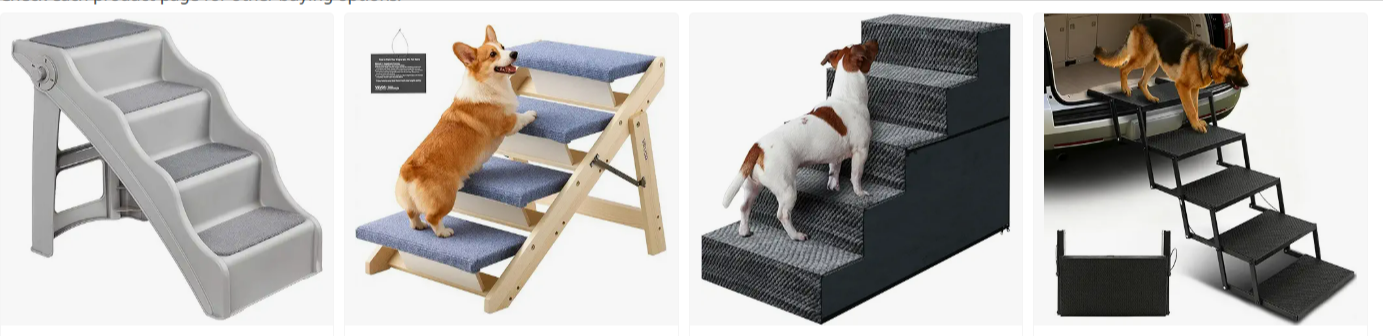
Ramps or stairs
Age-specific food formulas
Regular vet checkups
Think of it like switching from energy drinks to vitamins. Same goal—different phase of life.

Health Products For Your Furry Fellows!
So… How Old Is Your Pet Really?
If you remember nothing else, remember this:
Pets age fast early, then slow down
Breed and lifestyle matter
The “7-year rule” belongs in the trash
Your pet isn’t just a number—they’re a whole personality with a birth certificate that lies.
Final Thought 💙
Whether your furry fellow is a hyper “teenager” or a dignified senior, understanding their age helps you give them a better, longer, happier life.
And honestly?
They deserve it—for all the fur, attitude, and unconditional love.