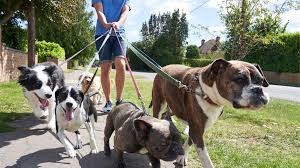
Why Does My Dog Walk Sideways on a Leash? Causes, Meanings, and Solutions
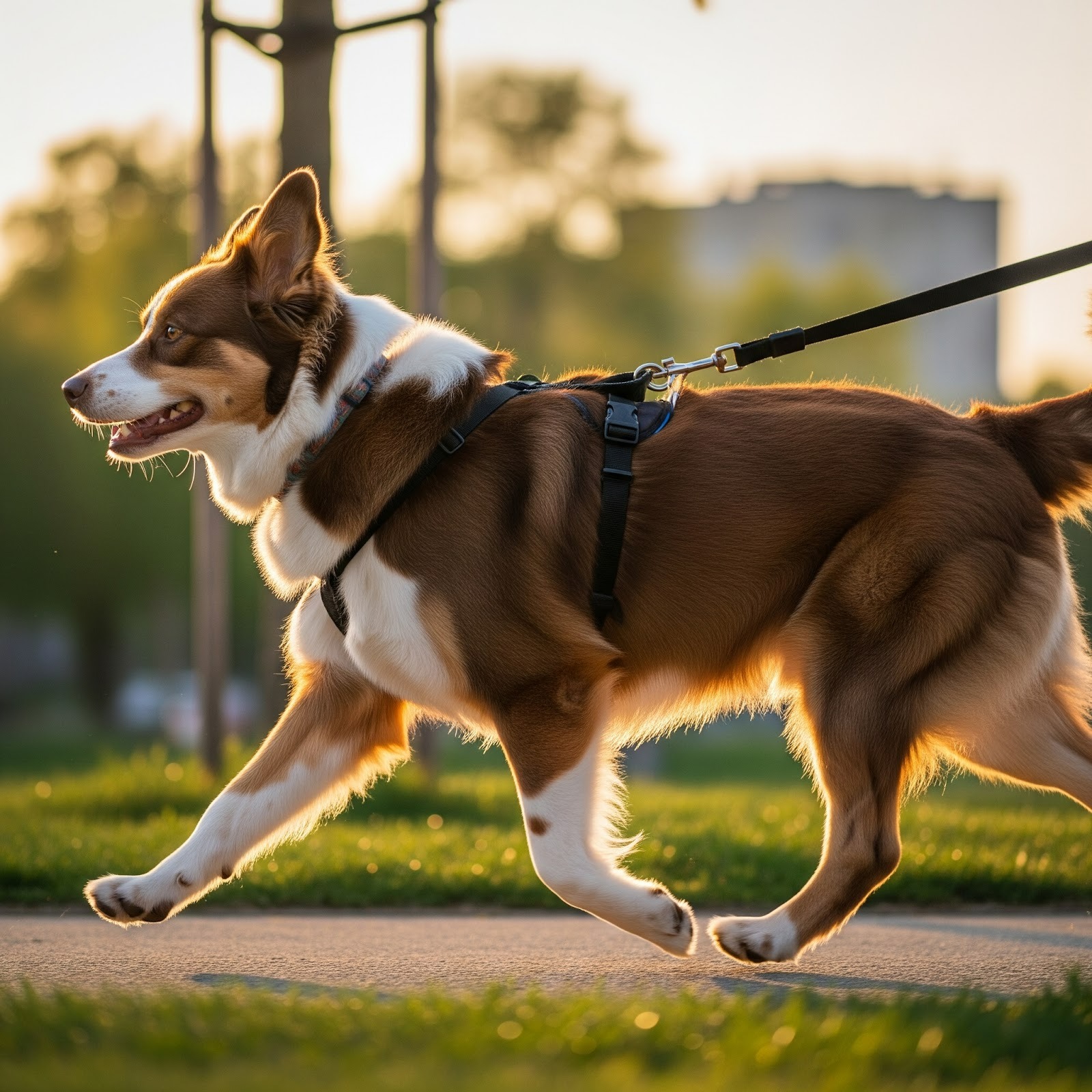
Why Does My Dog Walk Sideways on a Leash? Causes, Meanings, and Solutions
If you’ve ever wondered, “Why does my dog walk sideways on a leash?”, you’re not alone. Many dog owners notice their pup drifting sideways, crab-walking, or angling their body instead of walking straight during leash walks. While it may look funny, this behavior often has a clear physical or behavioral reason.
In this article, we’ll explain why dogs walk sideways on a leash, when it’s normal, when it’s a concern, and how you can help your dog walk more comfortably and confidently.
Common Reasons Your Dog Walks Sideways on a Leash
1. Your Dog Is Feeling Anxious or Overstimulated
One of the most common reasons a dog walks sideways is stress or anxiety. Dogs naturally turn their bodies away from things that make them uncomfortable, such as:
Loud traffic
Other dogs
Crowded sidewalks
New environments
Walking sideways allows your dog to keep potential “threats” in view while avoiding direct confrontation.
SEO keyword tip: dog walking sideways anxiety
2. Leash Pressure or Poor Harness Fit
If the leash pulls from an uncomfortable angle, your dog may adjust their body to relieve pressure.
Common issues include:
A collar that pulls on the neck
A harness that rubs under the legs
A leash attached too high or too low
Dogs often walk sideways to avoid discomfort or choking.
3. Your Dog Is Still Learning Leash Manners
Puppies and newly adopted dogs often walk sideways simply because they’re not used to leash walking yet. Leashes restrict natural movement, and dogs may experiment with different walking positions as they learn.
This is very normal in:
Puppies
Rescue dogs
Dogs new to urban walking
4. Physical Discomfort or Joint Issues
Sometimes, a sideways walk can signal physical pain or mobility issues, especially in:
Older dogs
Dogs with hip dysplasia
Dogs with arthritis or muscle strain
If your dog suddenly starts walking sideways and shows signs of stiffness, limping, or reluctance to walk, it’s best to consult a veterinarian.
SEO keyword tip: dog walking sideways joint pain
5. Your Dog Is Trying to Scent or Scan the Environment
Dogs experience the world primarily through smell. Walking sideways allows them to:
Keep their nose closer to scent trails
Watch surroundings while sniffing
Maintain awareness of you and the environment
This behavior is especially common in curious or highly alert breeds.
Is It Normal for Dogs to Walk Sideways on a Leash?
In most cases, yes — it’s normal, especially if:
Your dog is young
The environment is busy
The behavior is occasional
However, it becomes a concern if:
The behavior is sudden or extreme
Your dog shows pain or fear
Walking becomes difficult or awkward
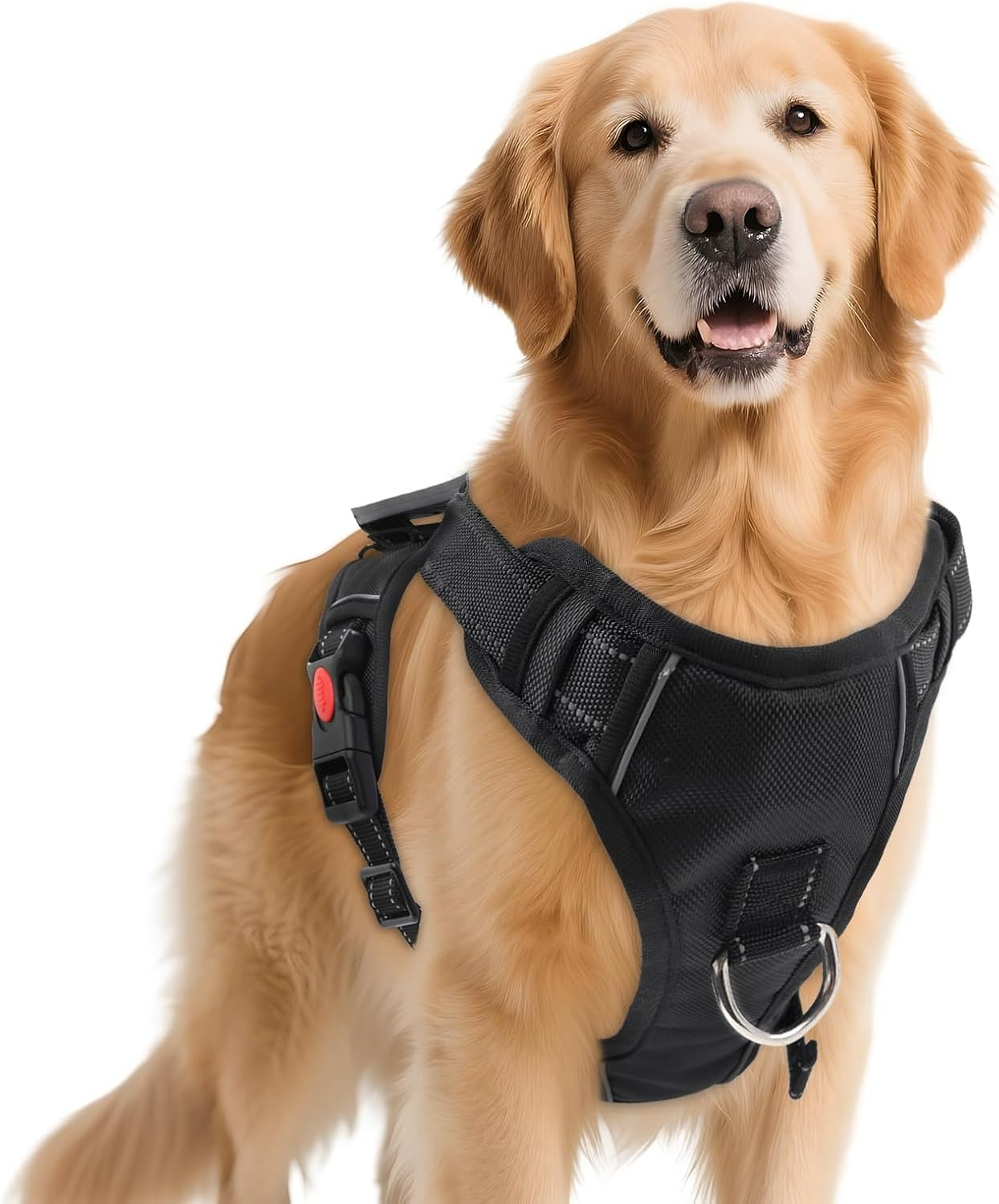
How to Help Your Dog Walk Straight on a Leash
Use the Right Equipment
Choose a well-fitted harness (front-clip harnesses often help)
Avoid tight collars that pull on the neck
Use a standard 4–6 ft leash instead of retractable ones
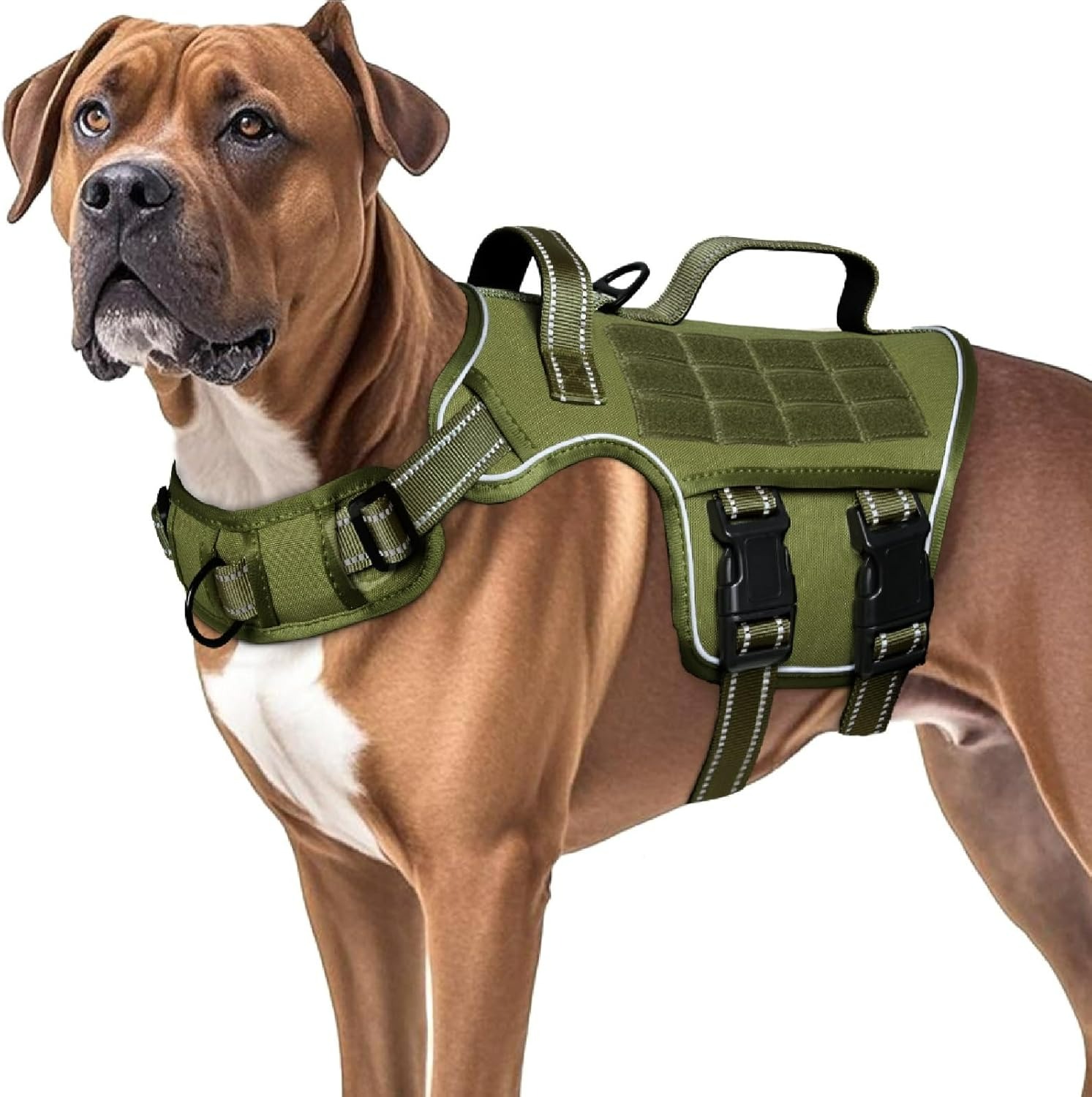
Reduce Stress Triggers
Walk in quieter areas if possible
Increase distance from other dogs or traffic
Keep walks calm and predictable
Practice Positive Leash Training
Reward your dog for walking beside you
Use treats to guide straight walking
Stop walking when pulling or sideways drifting increases
Consistency is key.
Check with a Vet or Trainer
If sideways walking persists, a professional dog trainer or veterinarian can identify whether the issue is behavioral or medical.
When to See a Veterinarian
Seek veterinary advice if your dog:
Suddenly changes walking style
Walks sideways even off-leash
Shows signs of pain, stiffness, or weakness
Early intervention can prevent long-term issues.
Final Thoughts
So, why does your dog walk sideways on a leash? In most cases, it’s your dog’s way of coping with stress, discomfort, or unfamiliar leash pressure. With the right equipment, gentle training, and attention to your dog’s comfort, sideways walking often improves quickly.
Understanding your dog’s body language is the first step to happier, healthier walks 🐾